
Mallet Finger: Why Keeping the Tip Straight Matters
October 2026
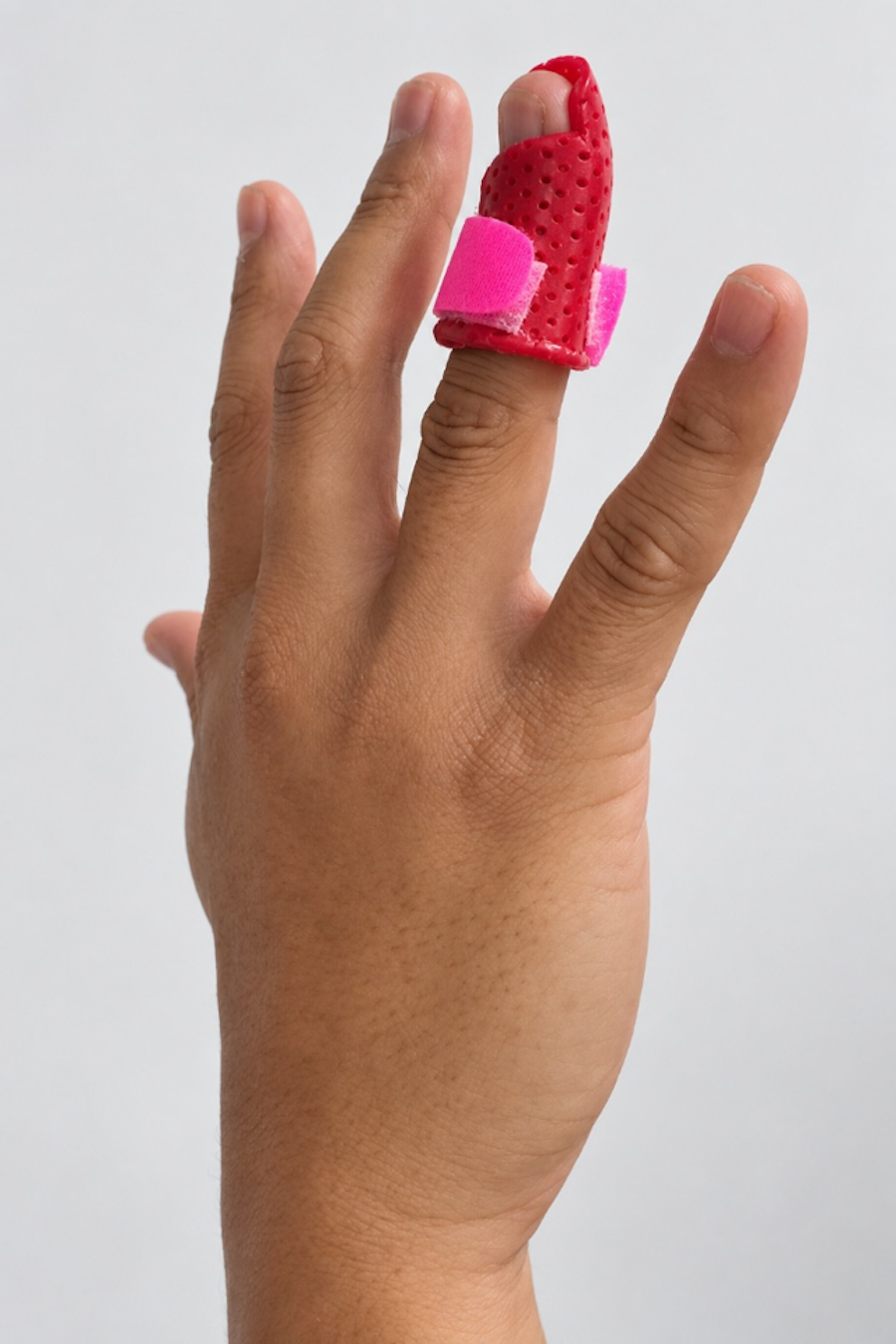
Mallet finger is a common finger injury that can happen during sport, at work or even with simple everyday activities. It occurs when the tendon responsible for straightening the tip of the finger is injured. Sometimes the tendon itself is damaged, while in other cases it pulls off a small piece of bone. The result is usually the same - the fingertip droops and you are unable to actively straighten it.
How is mallet finger treated?
Most mallet finger injuries can be treated without surgery. The main treatment is a splint that holds the end joint of the finger, known as the DIP joint, in a straight position while the injured tendon or bone heals. Depending on the injury, this usually involves wearing the splint continuously for around 6 to 8 weeks. It sounds simple, but there is one very important part. The fingertip needs to stay straight.
Why does keeping it straight matter?
The injured tendon needs time to heal while being held in the correct position. If the fingertip bends during the healing period, the healing tissue can be disrupted. Even briefly allowing the finger to droop while removing or changing the splint can affect the healing process. If this happens, the splinting period may need to be extended or restarted. This is why we spend time showing patients how to safely remove, clean and replace
What happens after the splint comes off?
After the initial healing period, movement is gradually reintroduced. This does not always mean going straight back to normal use. Your physiotherapist may guide you through exercises and gradually reduce how often the splint is worn. Some swelling, stiffness or a small amount of droop can remain for a while after a mallet finger injury and may continue to improve over the following months.
How can Flex Physiotherapy help?
At Flex Physiotherapy, we can assess your finger, review any imaging and determine the most appropriate management. Most mallet finger injuries can be managed without surgery. If needed, we can provide a custom made splint to hold the fingertip in the correct position, show you how to manage it safely at home and monitor your progress throughout the healing period Some more significant injuries may require a surgical opinion. This can depend on the type of injury, the size and position of any fracture and the alignment of the joint. We work closely with experienced hand surgeons across Perth and, after assessing your finger properly, can help determine whether a surgical review should be arranged. We can then guide your return to movement, strength and normal activity as the finger heals.

